
English
English
Views: 0 Author: Site Editor Publish Time: 2026-09-01 Origin: Site


Sourcing industrial imaging components in China requires a precise balancing act. Procurement teams want optimal unit costs, but they also demand robust supply chain security. Finding this ideal middle ground is often quite difficult. Many buyers fall into the trap of using gray-market vendors. These unauthorized brokers tempt companies using artificially low upfront prices. Unfortunately, these cheap quotes frequently trigger hidden integration delays. Buyers eventually lose essential OEM warranties and expose their companies to severe compliance risks.
We created this guide to provide a transparent breakdown of official procurement channels. It explains how a legitimate Authorized Sony(china) Distributor structures their pricing models. We will help you evaluate prospective partners to ensure long-term production stability. By the end of this guide, you will know exactly how to assess hidden risks. You will confidently navigate hardware variations, volume tiers, and engineering support services.
Pricing from an Authorized Sony(china) Distributor is dictated by volume tiers, macro-supply chain stability, and localized technical support rather than arbitrary markups.
Component-specific factors—such as choosing between a standard Full HD module and a specialized Sony FCB 4K Zoom Block Camera—drastically alter the baseline cost.
True vendor evaluation must measure the "hidden costs" of gray market sourcing (lack of firmware updates, high failure rates) against the predictable TCO of authorized channels.
Procurement teams must verify official authorization letters and localized RMA capabilities before committing to volume purchases.
Unauthorized brokers frequently offer highly attractive initial savings. You might see quotes significantly below standard market rates. However, this perceived discount rarely translates into real value. It often introduces severe production-stopping risks. Gray market channels source components outside official supply chains. They might sell refurbished units disguised as new stock. They sometimes distribute factory rejects. You might even receive culturally region-locked hardware. These region-locked units often lack English menus or standard frame rate toggles.
Partnering securely mitigates these catastrophic risks. A certified distributor guarantees direct-from-factory components. They ensure every unit matches exact OEM specifications. Your production line avoids unexpected compatibility errors. Authentic hardware also passes strict environmental compliance tests. This ensures your final product meets international regulatory standards.
Warranty support and firmware access form another critical pricing pillar. Gray market sellers abandon you after the initial sale. They cannot offer legitimate Return Merchandise Authorization (RMA) processes. Official channels provide structured, legally binding warranty support. If a sensor fails, you receive a direct factory replacement.
Firmware lifecycles further separate authentic vendors from unauthorized brokers. Modern imaging modules require regular software maintenance. These updates fix known bugs and improve autofocus algorithms. They enhance low-light sensor performance over time. Only an official distributor can legally distribute these critical firmware updates. Without them, your engineering team faces impossible integration hurdles. This lack of software support ultimately costs more than the initial hardware discount.
Baseline pricing strictly depends on your exact technical requirements. Resolution dictates a large portion of the cost. Optical zoom capabilities also drive pricing tiers. Interface requirements further influence the final quotation. Understanding these categories helps you accurately forecast project budgets.
High-resolution models command a significant premium. A modern Sony FCB 4K Zoom Block Camera requires advanced silicon. It uses high-capacity image signal processors. These cameras handle massive data throughput at high frame rates. Advanced optics capable of resolving 4K details also increase manufacturing costs. These components justify the higher baseline price.
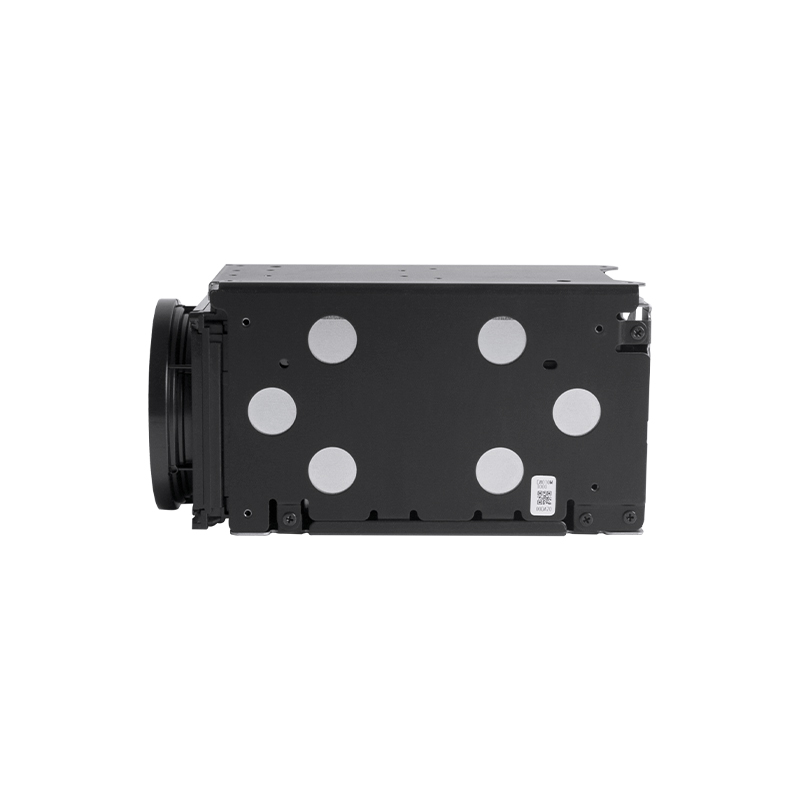
Consider the procurement profile for premium integration. You might evaluate the Sony FCB-ER9500 4K60P 25X Zoom Block Camera. This model serves high-end surveillance and broadcast-grade requirements. It features a large 1/1.8-type STARVIS CMOS sensor. Processing 60 frames per second at 4K resolution requires exceptional computing power. The pricing for this unit reflects its flagship capabilities. It delivers unparalleled clarity for mission-critical applications.
Standardized deployments often require different financial strategies. Full HD 1080p models offer excellent cost-efficiency. They serve perfectly for legacy systems or scaled integrations. These units use mature manufacturing processes. This maturity lowers the baseline unit cost significantly.
You can optimize budgets by selecting interface-specific models. Consider the procurement profile of the Sony FCB-EV9520L Full HD 30X LVDS Zoom Block Camera. This module offers incredible value for volume standardization. The LVDS interface provides uncompressed digital video transmission. It eliminates the need for expensive onboard HDMI encoders. This specific pricing lever helps companies scale their drone or robotic integrations efficiently.
Table 1: Hardware Category Specifications and Pricing Drivers
| Feature Category | 4K60P Premium Models | Full HD 1080p Standard Models | Primary Cost Driver |
|---|---|---|---|
| Sensor Technology | 1/1.8-type STARVIS CMOS | 1/2.8-type STARVIS CMOS | Sensor size and light capture capability |
| Processing Power | High (4K @ 60fps) | Moderate (1080p @ 60fps) | ISP throughput and thermal management |
| Native Interface | HDMI / MIPI | LVDS | Signal compression and board complexity |
| Ideal Application | Broadcast, surgical imaging | UAVs, standard CCTV, robotics | Target market performance demands |
Unit pricing never exists in a vacuum. It heavily depends on your specific implementation realities. Minimum Order Quantities (MOQs) directly impact the quoted price. Annual volume commitments give you substantial negotiating leverage. An official supplier structures these tiers to reward predictable purchasing patterns. Spot-buying small batches always incurs the highest premium.
Lead times drastically affect hardware allocation priority. Global silicon shortages frequently disrupt manufacturing schedules. Authentic distributors actively buffer against these global component shortages. They secure advanced factory allocations based on their regional standing. Your own forecast accuracy directly affects this bulk pricing. Sharing realistic annual projections helps the distributor secure your inventory. They pass those efficiency savings down to your procurement team.
International buyers must factor in complex logistical variables. Chinese domestic pricing models operate differently than export models. You must account for regional import duties and Value-Added Tax (VAT). Domestic shipping costs within China also affect the final invoice. Transparent baseline assumptions prevent unexpected budget overruns.
Value-Added Tax (VAT): Domestic Chinese purchases typically include a 13% VAT. Export orders may qualify for tax rebates.
Export Tariffs: Cross-border shipments face fluctuating regulatory tariffs based on destination countries.
Blanket PO Structures: Issuing a 12-month blanket Purchase Order locks in favorable pricing while allowing staggered deliveries.
Buffer Stock Agreements: Reliable partners hold safety stock. This prevents production halts during unforeseen factory delays.
Understanding these variables changes your negotiation approach. You stop fighting over isolated unit costs. Instead, you optimize the entire logistics pipeline. This comprehensive strategy secures better pricing than aggressive haggling ever could.
Many buyers ignore the financial value of engineering support. They view technical assistance as an optional bonus. In reality, pricing structures absorb essential pre-sales and post-sales support. This expertise acts as a crucial value-add. It accelerates your time-to-market dramatically. A delayed product launch costs exponentially more than a camera module.
Integration troubleshooting reveals the true worth of a genuine partner. Interfacing complex imaging modules requires deep technical knowledge. You often encounter interface board compatibility problems. LVDS to HDMI conversion issues plague many engineering teams. A certified Authorized Sony(china) Distributor employs local Field Application Engineers (FAEs). These specialists resolve complex hardware conflicts quickly. They provide direct access to proprietary factory documentation.
Customization services further justify structured pricing models. Standard camera modules rarely fit perfectly into unique product designs. You might require specialized initial Image Signal Processor (ISP) tuning. Certain environments demand unique auto-exposure or white balance configurations. You may also need custom housing consultations for thermal dissipation.
Evaluate the cost-to-outcome ratio carefully. Gray market vendors offer zero engineering assistance. If your software team spends three weeks debugging a communication protocol, you lose money. Local FAEs prevent these expensive development bottlenecks. They review your schematics before you finalize board designs. This proactive technical support represents a massive financial advantage. It heavily offsets any initial price differences found on the open market.
Procurement teams need a structured verification methodology. You must demonstrate healthy skepticism when evaluating supplier claims. The Chinese industrial market features many brokers claiming official status. You need a clear checklist for validating these distributors. Trusting an unverified vendor endangers your entire manufacturing process.
Verification begins with official credentials. You must explicitly request a current authorization certificate. Do not accept outdated or vaguely worded documents.
Check the Expiration Date: Certificates require annual renewals. Ensure the document covers your entire projected production timeline.
Verify Regional Rights: Confirm the distributor holds specific rights for your intended manufacturing territory.
Cross-Reference Authenticity: Contact the manufacturer's B2B channel network directly to verify the certificate number.
Financial and operational auditing forms the next critical step. A certificate alone does not guarantee reliable fulfillment. You must assess the vendor's actual inventory holding capacity. Can they securely warehouse a six-month buffer stock for your project? Evaluate their financial stability through standard corporate credit checks. Investigate their historical fulfillment accuracy. Ask for references from non-competing clients in similar industries.
Take measured next-step actions once you verify their credentials. Initiate a formal Request for Quote (RFQ). Start with a sample evaluation unit. Your engineering team must physically test the hardware and firmware. Measure the responsiveness of their technical support during this trial phase. Only move to binding volume contracts after they successfully pass this evaluation. This methodical framework guarantees a secure, profitable partnership.
Upfront unit price represents only one metric in hardware procurement. Supply chain security, strict compliance, and dedicated engineering support define your true financial outcome. Chasing gray-market discounts invariably leads to unexpected delays and catastrophic warranty failures. Legitimate supply channels eliminate these operational hazards completely.
You must strictly partner with authorized networks for mission-critical hardware. They provide direct factory lines, accurate forecasting buffers, and critical firmware updates. This comprehensive support structure ensures your production line never stops unexpectedly.
We encourage procurement teams to transform their sourcing strategy today. Stop relying on unverified spot-market brokers. Contact a verified distributor and request a detailed, tiered pricing breakdown. Secure a technical evaluation unit for your next major project to experience true engineering support.
A: Request the official distributor certificate immediately. Check the explicit validity dates on the document. Look for specific regional territory rights. Finally, verify the vendor's standing directly through Sony’s official B2B channel network to ensure the certificate remains active.
A: It utilizes a premium 1/1.8-type STARVIS CMOS sensor. It also features advanced 4K-capable glass optics. Furthermore, processing 60 frames per second at full ultra-high definition requires massive computing power. These advanced components directly drive the higher manufacturing cost.
A: Standard RMA protocols typically require managing warranties through the specific regional distributor where you made the purchase. Cross-border warranty support varies. You must negotiate and establish clear Service Level Agreements (SLAs) upfront before exporting components.
A: Forecasting and issuing scheduled blanket Purchase Orders (POs) allows authorized distributors to allocate factory production in advance. This structured planning drastically reduces lead times compared to spot-buying hardware randomly on the open market.


