
English
English
Views: 0 Author: Site Editor Publish Time: 2026-09-08 Origin: Site


Sourcing industrial-grade imaging components presents a critical bottleneck in modern manufacturing, broadcast, and security system integration. Engineers and procurement teams face immense pressure to secure reliable vision hardware on tight schedules. Relying on gray market brokers or unverified suppliers introduces severe operational risks. You might quickly encounter voided warranties, firmware incompatibilities, and sudden supply chain disruptions. These hidden pitfalls frequently derail deployment timelines and ruin product reliability. Partnering with a verified Sony FCB Camera Authorized Distributor is therefore mandatory for effective risk mitigation. This guide provides a definitive framework to help you evaluate, shortlist, and select a reliable supply partner. We will outline the dangers of unauthorized sourcing and establish core criteria for distributor evaluation. You will also learn how to assess technical support capabilities and manage product lifecycles effectively.
Traceability is Non-Negotiable: Official authorization guarantees hardware authenticity and direct-to-manufacturer RMA access.
Engineering Support Drives Value: The right distributor acts as an extension of your engineering team, assisting with complex interface integrations (e.g., LVDS to HDMI/USB) and Edge AI compatibility.
Lifecycle Management Secures Scalability: Authorized partners provide critical End-of-Life (EOL) notices and Last Time Buy (LTB) opportunities to protect your product lines.
Documentation Matters: Look for immediate access to proprietary technical manuals, CAD files, and integration protocols.
Procurement managers often feel tempted by lower upfront costs. Immediate availability from unauthorized brokers also seems highly attractive during component shortages. However, the hidden costs routinely outweigh any short-term savings. You must recognize the severe operational hazards involved before making purchasing decisions.
Voided Manufacturer Warranties: Sony only honors warranties for units purchased through their authorized network. You lose all factory protection when buying outside this official channel. A single batch of defective units can erase all initial cost savings.
Counterfeit or Refurbished Stock: Buyers face a remarkably high risk of receiving used units. Brokers often repackage these aging items as new products. This deceit leads directly to early field failures. Imagine deploying hundreds of cameras for city surveillance, only to watch them fail under extreme temperatures.
Lack of Firmware Access: Unauthorized sellers cannot provide the latest firmware updates. These software updates are absolutely necessary for system stability. They also ensure vital security compliance in networked environments. Without access, your hardware remains vulnerable to bugs and integration errors.
A successful procurement strategy focuses entirely on verifiable supply chain integrity. You need absolute confidence in your hardware source. Relying on gray market channels destroys this confidence. It puts your entire project timeline at severe risk. We highly recommend auditing your supply chain rigorously. Focus on securing operational stability instead of chasing fractional price drops. The right distribution partner protects your brand reputation.
Finding a reliable partner requires strict evaluation protocols. You cannot rely on basic marketing claims or flashy websites. Instead, apply these core criteria to vet potential suppliers systematically.
You must verify a distributor's current standing immediately. Do not skip this critical step. Check the Sony Pro official regional directories. You can also consult the Sony ISS partner directory online. An authentic partner will appear clearly in these corporate databases. If a supplier hesitates to provide their official certification letter, disqualify them.
Understanding territorial restrictions is critical for seamless operations. Sony assigns specific sales regions to their partners globally. Ensure the distributor holds authorization for your exact location. They must be legally allowed to sell and support hardware in your specific manufacturing or deployment region. Buying from an authorized Asian distributor for a US-based deployment might still violate regional support terms.
Equipment failures happen occasionally even in high-end manufacturing. Your distributor must possess a formalized Return Merchandise Authorization (RMA) process. This process must link directly to Sony’s regional service centers. Direct authority speeds up complex repairs and minimizes costly downtime. Unauthorized brokers typically abandon you once the transaction clears.
Global component shortages disrupt production schedules constantly. Authorized partners hold high tier status within Sony's ecosystem. They receive priority stock allocation during these supply chain crises. Financially stable distributors secure inventory faster than low-tier sellers. They can float larger orders and secure allocations months in advance.
Summary Chart: Authorized Channel vs. Gray Market Broker
| Evaluation Factor | Authorized Distributor | Gray Market Broker |
|---|---|---|
| Hardware Authenticity | Guaranteed new and original | High risk of used or counterfeit parts |
| Warranty Support | Fully backed by regional centers | Voided or entirely nonexistent |
| Firmware Updates | Immediate access to official releases | No access to proprietary portals |
| Stock Allocation | Priority placement during shortages | Unpredictable spot buying |
A true authorized distributor offers far more than simple logistics. They move far beyond basic box-pushing. They deliver deep technical support for your Sony FCB Full HD Block Camera. This engineering support bridges the crucial gap between raw hardware and end-user solutions. Common application examples include advanced machine vision platforms and complex surgical imaging tools.
Integration teams often struggle when connecting raw camera blocks. The standard 30-pin interfaces require specialized conversion. Your partner must supply highly compatible interface boards. They should expertly support LVDS, HDMI, 3G-SDI, and IP connections. Proper cabling solutions are equally important for reliable data transmission. They prevent signal degradation in harsh industrial environments.
Modern imaging demands highly complex system architectures. Your distributor should demonstrate proven knowledge in specific integration areas. They must help pair camera blocks alongside sophisticated Edge AI hardware. They should also advise on PTZ (Pan-Tilt-Zoom) mechanical design constraints. Custom API and protocol configurations require high-level engineering guidance. Ask them how they handle specific VISCA protocol commands.
Engineers need immediate access to accurate technical data. A verified partner provides secure access to Sony’s proprietary Technical Manuals. They also supply precise Command Lists and accurate mechanical CAD drawings. This documentation completely eliminates guesswork during product development. It allows your R&D team to design custom housings and interface boards faster.
Assuming standard consumer video cables will work for industrial LVDS outputs.
Failing to account for heat dissipation requirements during the initial design phase.
Ignoring power supply tolerances, which leads to erratic camera behavior.
Production lines rely on continuous component availability. Your supply partner must guarantee long-term stability for your manufacturing efforts. Let us examine how they should manage scale and product lifecycles.
You must evaluate the distributor's specific stocking models thoroughly. Do they offer dependable Just-In-Time delivery schedules? Ask about their buffer stock agreements. Blanket orders provide excellent safeguards for continuous production. Consistent inventory prevents costly manufacturing halts. A good partner monitors your consumption rates and adjusts their safety stock accordingly.
Technology evolves rapidly in the industrial imaging sector. You need to know how the distributor handles legacy products. They must ensure consistent supply for older models currently in the field. When dealing with widely used but aging models like the Sony FCB-EV7520 30X Full HD Zoom Block Camera, they should offer planned transition strategies. They guide your engineers toward newer, compatible sensors without forcing sudden redesigns.
Sensors eventually face permanent discontinuation. When a specific block camera reaches this final stage, transparency is vital. The distributor must provide clear End-of-Life (EOL) notices immediately. They must also grant sufficient lead time for Last Time Buy (LTB) opportunities. This critical window allows you to secure final inventory for existing product lines. It buys your engineering team time to redesign the core system.
You are now ready to make a final supplier choice. Use this actionable checklist to finalize your new partnership safely. Follow these steps sequentially to weed out unqualified vendors.
Step 1: Auth-Check. Request official documentation immediately. Ask for a direct link to their corporate status on Sony’s corporate partner portal. Validate this proof independently through Sony's regional website.
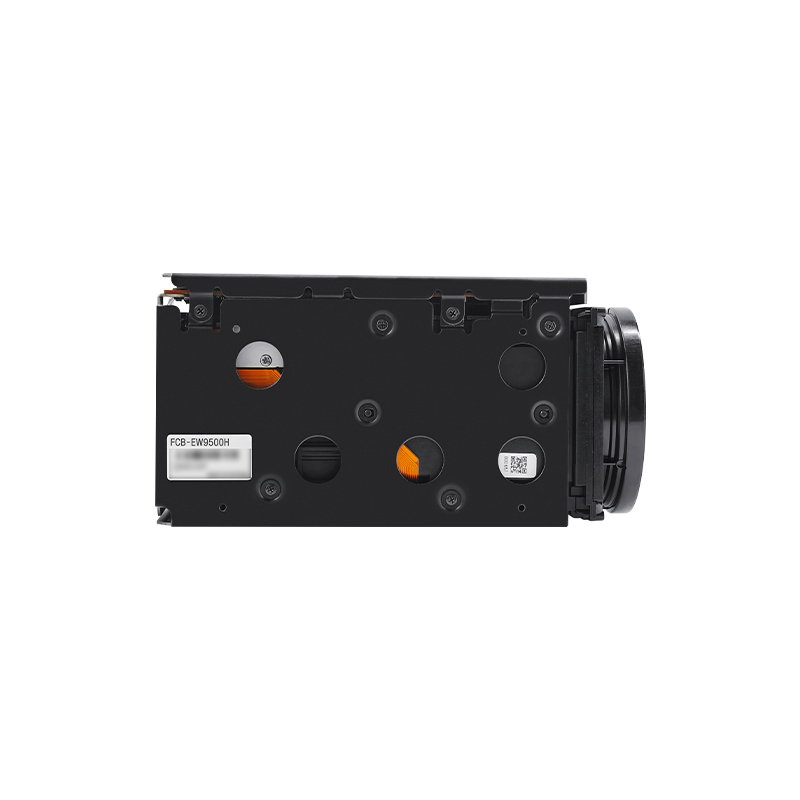
Step 2: Model-Specific Competency. Ask highly technical questions regarding your required unit. For instance, ask: "What are the heat-dissipation requirements and recommended interface boards for the Sony FCB-EW9500H HDMI 30X Zoom Block Camera?" Their answer will quickly reveal their actual engineering expertise.
Step 3: Sample and Evaluation Process. Assess their friction level during the initial onboarding. Do they provide loaner units easily? Your R&D department needs evaluation units to test proof of concepts. Difficult sample processes often indicate future support issues.
Step 4: Commercial Terms. Review all Minimum Order Quantities (MOQs) closely. Check their standard lead times carefully against your schedules. Negotiate flexible shipping arrangements to match your exact production demands.
Create a tight shortlist of two or three authorized partners. Initiate a formal Request for Quote (RFQ) process. Pair this RFQ alongside a mandatory technical integration discovery call. Bring your lead hardware engineer into this meeting. This combined approach ensures both commercial and technical alignment from day one.
Selecting an authorized distribution partner is not merely a purchasing decision. It serves as a vital strategic partnership for your business. This choice directly impacts your product's long-term reliability. It determines your integration timeline and dictates your overall market viability. You simply cannot afford missteps here.
We strongly recommend prioritizing distributors providing highly transparent supply chains. Look for robust engineering support and clear lifecycle management capabilities. Avoid partners competing solely on fractional price differences. Focus instead on verifiable supply chain integrity and proven technical competence. Start auditing your current suppliers today. Transitioning to authorized channels protects your ongoing hardware investments and secures your manufacturing future.
A: You should check Sony's official regional websites directly. Visit directories for Sony Image Sensing Solutions or Sony Pro depending on your region. Alternatively, request a formal, up-to-date Letter of Authorization from the distributor and verify it with a regional Sony representative.
A: Standard lead times vary by specific model and global supply chain conditions. However, authorized distributors offer transparent forecasting. They establish scheduled delivery agreements and hold safety stock to minimize disruptions for their contracted partners.
A: While Sony manufactures the core camera block, high-tier authorized distributors usually design or supply compatible interface boards. They offer HDMI, USB, and IP boards to complete the integration and provide necessary cabling solutions.
A: Yes. Sony regional engineers do not support gray market hardware. Buying from brokers leaves integrators entirely on their own if complex firmware, interface, or hardware issues arise during product development.


